
Hi all!
Today is more of a personal post. I felt compelled to write it due to a moment earlier this month that didn’t quite go to plan. In early 2024, I shared my Dyspraxia diagnosis, which you can read about here. However, what I didn’t expand on, is how this invisible disability and another one I haven’t discussed yet, affects me on a day-to-day basis. My hopes are to help others feel seen, not garner sympathy or attention. Without further ado, let’s get into it.
1.) What Triggered This Post
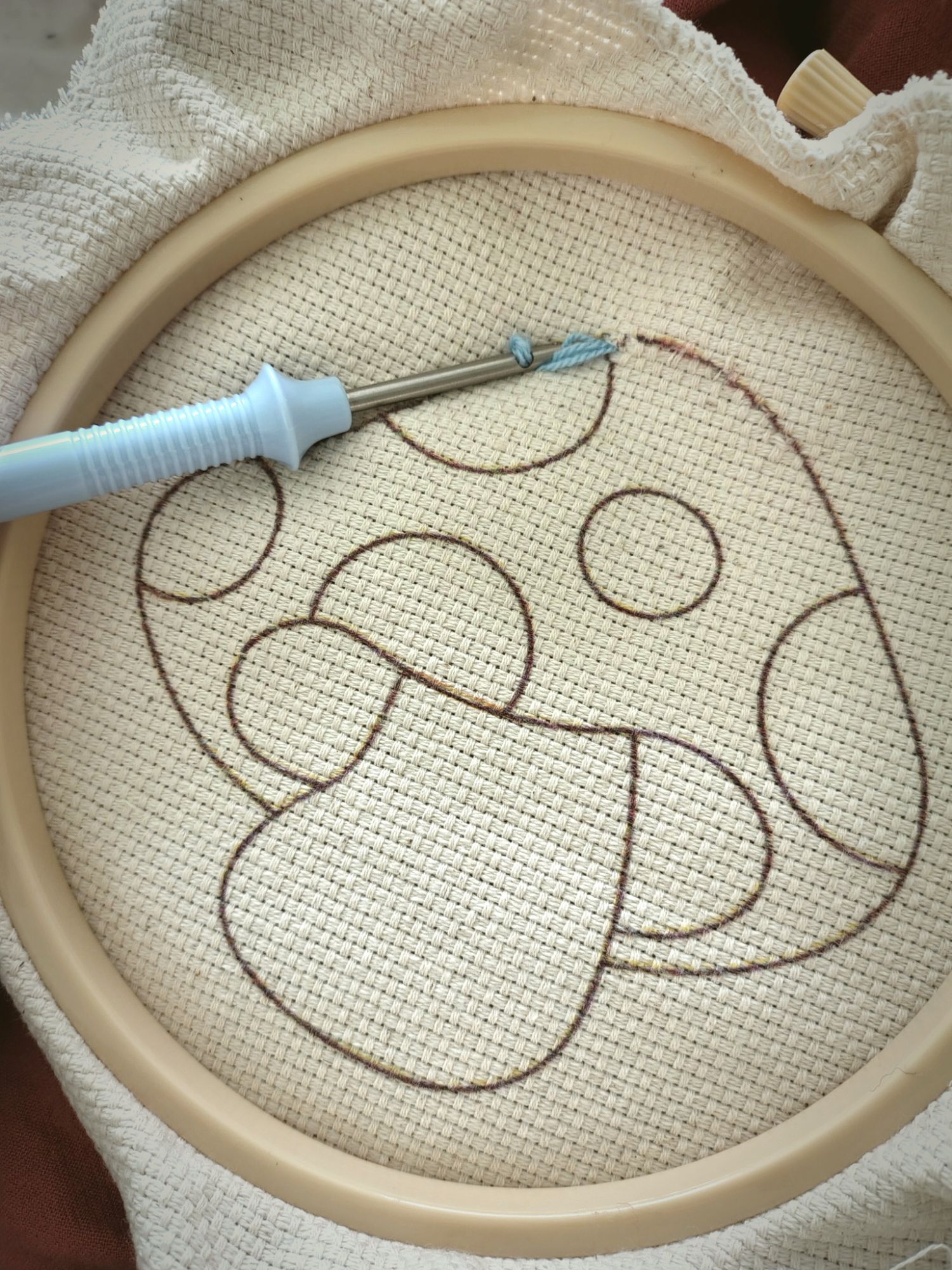
Last month, I put on my autumn bucket list (see: Seasonal Splendour) that I wanted to attempt punch needle. Punch needle is a manual tool used for embroidery. I had a post already scheduled, eager to share what I had learnt and how the final product came out. Prior to receiving my kit in the mail, I had watched countless TikTok tutorials on the subject. All of this to say, I was prepared. When it finally arrived and it was time to thread the needle, I started to really struggle. Dyspraxia, above all, is a coordination disability. Anything that requires my hands, takes effort. I tried threading the tool for an entire hour before giving up completely. Hence, my original post became what you are reading today.
2.) Creative Oppression
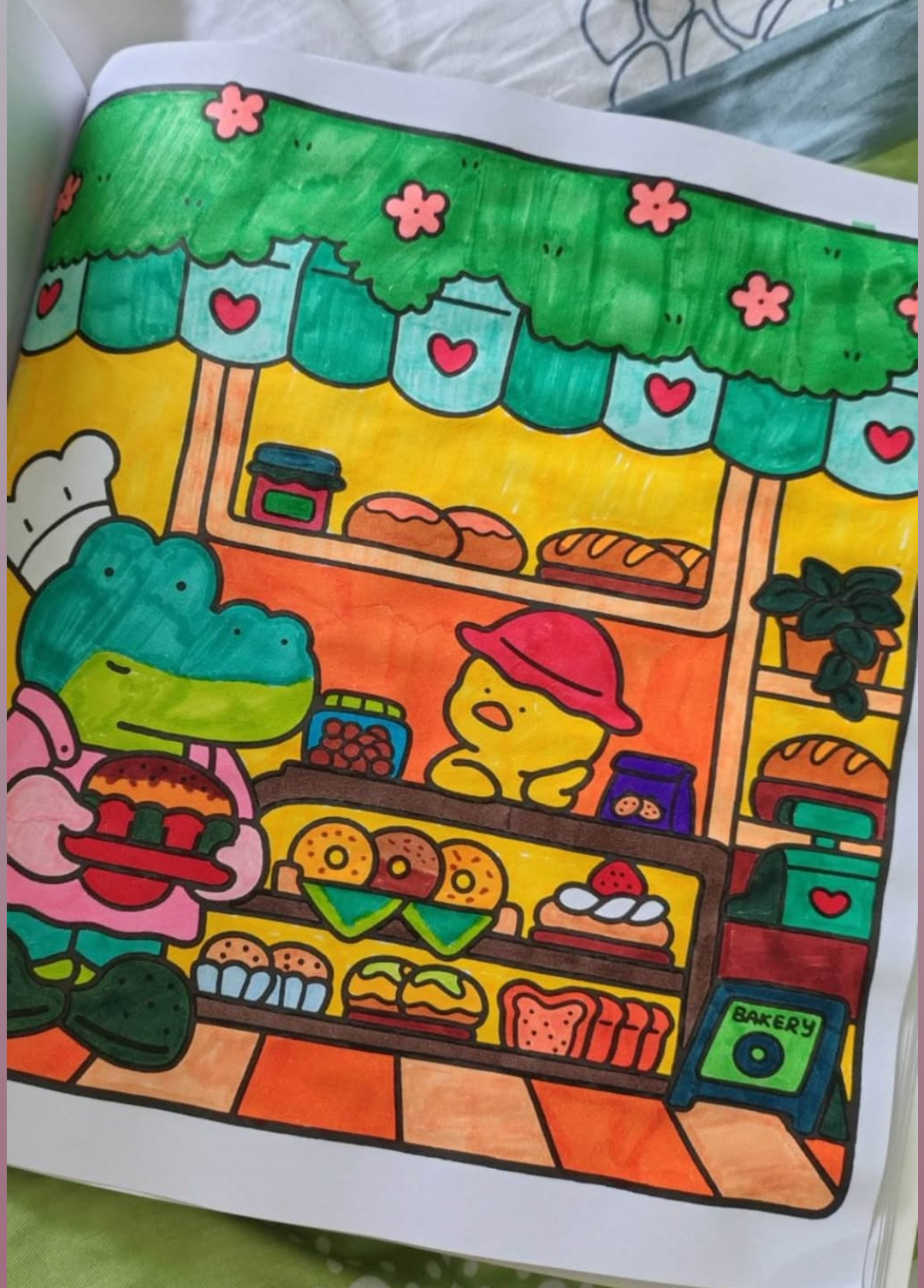
I see people crafting, painting, working machines, doing their nails, hair, makeup etc with ease and it saddens me. I am such a creative person, with a thirst to constantly try new things and yet, a lot of the hobbies I pursue, challenge me in ways the average person wouldn’t understand. I understand that the objective of art isn’t to do it perfectly. I get that it’s about enjoyment and expression. However, when you cannot even thread a needle to begin with, you don’t get the chance to make something at all. Invisible disabilities such as these, can be really embarrassing. You don’t want to try anything in public, for fear of being ridiculed. I craft in private, where nobody can judge me. If I didn’t have Dyspraxia, I would be dabbling in many more different forms of art. If you’re not a particularly creative person, this wouldn’t matter as much, but for me, it’s a regular torment.
3.) Dyscalculia
In the last year or so, I not only discovered I had Dyspraxia, I also realised I have Dyscalculia. This disability was not formerly diagnosed like the other one, however, I have taken multiple tests online and met all the criteria for it. I recommend this one from Exceptional Individuals. Quite simply, Dyscalculia is a learning disability, resulting in math comprehension difficulties and numeracy. Think Dyslexia but with numbers, instead of words. It comes out the most when I have to work. I failed math in Year 10 because it felt like my brain was on fire every single time I looked at an equation. I need a calculator to do the most basic sums. Decimal points jump around in my brain. I struggle with measurement, spatial awareness, distance, graphs, charts etc. It got so bad, I had to disclose it to my current boss, who thankfully treated me with a lot of grace and understanding (more on that later). Do we, as adults, need to tackle complex mathematical theorems in our day-to-day lives? No. However, we do need a basic understanding of numbers, especially when working and that’s when I’m reminded the most of my limitations.
4.) Past Discrimination
As mentioned above, I recently disclosed both of my disabilities to my boss. I was hesitant to do so because I have been discriminated against in the past. It can put a target on your back and change how an employer sees you/delegates to you. I had to however, when I was given further responsibilities at work involving large sums of money. I didn’t want my boss to think I was inept or unintelligent. I wanted her to know why certain tasks were more difficult for me and may take longer to complete. She was amazing and very supportive. No work has been taken off me – I have just been accommodated to. There is an understanding that my work is to be double-checked before submission and that I need to allocate more time to finish it. I’ve been on the receiving end of not being supported by my place of employment. In fact, I’ve been downright bullied for it. Taking that step to trust again was extremely difficult but it paid off. If you feel as though you’re in safe hands, I recommend doing the same.
5.) Neurodivergence
Possessing both Dyspraxia and Dyscalculia puts me on the spectrum, making it more likely that I am autistic. This wouldn’t surprise me. I have always felt different socially, I actively mask on a daily basis and am prone to sensory meltdowns. All of these factors affect how I go about my day. My disabilities bleed into my work, my creative passions, how I interact with others, my relationships and even as a parent. I cannot simply sew on a button if it falls off my child’s school uniform. I need help to do those things. I cannot just bake her a birthday cake. It will be a disaster. I won’t be able to assist in her future math homework, because believe it or not, even the most basic equations stump me.
6.) Acceptance
In summation, my disabilities are always there, reminding me of what I can and cannot do. I have had to learn to live and work with them as best as possible. I don’t allow them to stop me from trying new things but I am kinder to myself when the things I attempt don’t go to plan. There are always workarounds to things and supportive people willing to accommodate. It’s really important to understand that just because you can’t physically see a disability in someone, doesn’t mean it’s not there. If you met me in person, you probably wouldn’t even know I had these issues. I can mask them well. Having said that, I appreciate being vulnerable on here and sharing my authentic self.
Thank you so much for checking this post out. I hope it resonated.
Peace & Love xoxo



Leave a Reply to AnonymousCancel reply